When we say living in 2025 feels like we've traveled back 100 years, for once, we mean it positively. Nosferatu is dominating the box office, and we're eagerly anticipating the release of Wolf Man and Frankenstein. As we so often see trends come back into fashion (welcome back, Juicy Couture), monster movies are once again coming to the big screen to haunt the nightmares of a new generation of horror fans. The original Universal Monster movies were adaptations of popular works of fiction, such as Bram Stoker's Dracula and Mary Shelley's Frankenstein.
The thinking of studio heads was that the prestige of the existing novels would have audiences parting with their hard-earned cash in droves to catch a glimpse of the horrifying monsters up close. And they were right, with Universal holding a monopoly on monster movies throughout the 1930s and 1940s until audiences craved the darkness and gore that Hammer Studios had to offer over the relatively family-friendly offerings Universal had begun to produce. Before this, even FW Murnau's original Nosferatu spawned as a notorious copycat of Dracula, one that became the film industry's first major example of copyright infringement. Fast forward a century, and studios are again using these creatures' history and beloved status to appeal to audiences.
Though the traditional monsters have never faded from memory – like rats, you're likely never more than a few meters from an iconic ghoul on a piece of merch – the last 12 months have seen these movies come back in a big way. After getting off to a bum start with the 2017 adaptation of The Mummy starring Tom Cruise, Leigh Whannell reinvigorated the new era of monster movies with his take on The Invisible Man in 2020.
Though we never got the planned Dark Universe – a horror twist on the Marvel Cinematic Universe, if you will – these monsters have risen from the grave in exciting, standalone films from the likes of Robert Eggers, Lee Cronin, and Guillermo del Toro as well as the return of Whannel to the directing chair.
But why exactly are the traditional monsters making such a comeback? The answer doesn't necessarily lie in theaters, but everywhere around us as history repeats itself – with the anxieties of our great, great grandparents reflected back at us.
CREEPING UP THE STAIRS
Following Le Manoir du Diable and Der Golem, Murnau's Nosferatu: A Symphony of Horror is one of the earliest examples of a monster movie. Released in 1922, the influential silent film starred Max Schreck as Count Orlok, a vampire who preys on the wife (Greta Schröder) of his estate agent Thomas Hutter (Gustav von Wangenheim) after the latter visits him to facilitate the purchase of a property in his small German town. It was the first film to show a vampire dying from exposure to sunlight, adding a unique twist that has now become synonymous with vampire lore. It received overwhelmingly positive reviews at the time of its release, with Orlok becoming as recognizable as Dracula himself.

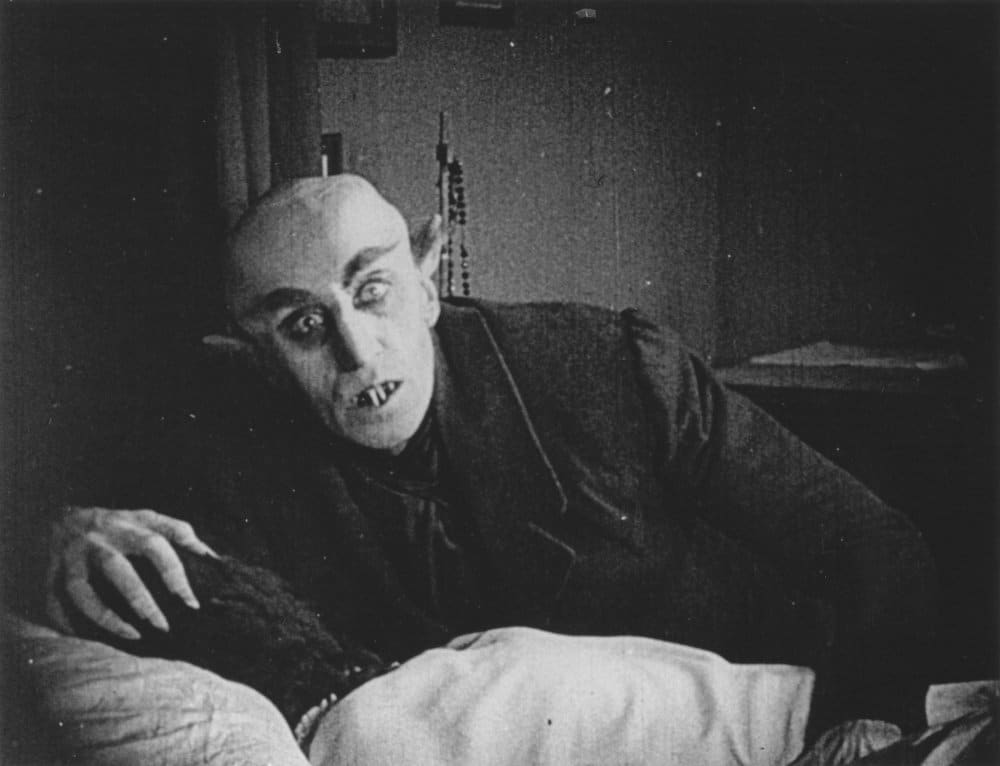
At the time of the film's release, the world was recovering from the Spanish Flu epidemic from 1918 to 1920, which saw around 25 to 50 million people die from the terrible disease. Nosferatu was seen as a reflection of the pandemic, with a contagion (Orlok) bringing a plague from overseas that ravaged Thomas and Ellen Hutter's town. Similarly, Orlok has been theorized to be a racist representation of a Jewish character, as has his accomplice Knock (Alexander Granach), which, along with the plague and rats he brings to Germany has been interpreted as a reflection of the anti-Semitic sentiments that were becoming commonplace across Europe at the time of Nosferatu's release.
Similarly, the film can also be viewed as a representation of the rising xenophobia in Europe and the wider world with Orlok, the film's villain, being a foreigner moving to a new land. Female suffrage was granted in 1919, granting women the right to vote, with Nosferatu acting as a medium to reflect the anxieties of the time surrounding women's rights as the film's female character, Ellen, shows a psychic link with Orlok as she sleepwalks under his control, portraying her as somewhat villainous despite sacrificing her own life to end his reign of terror.
Though released more than 100 years later, Eggers' Nosferatu has come to cinemas at a time when many of the same cultural influences are still prevalent. COVID-19 continues to make headlines after the pandemic killed approximately 3 million in 2020 (per the World Health Organization) and an estimated 7 million worldwide to date. In October 2024, CNN reported more than 10,000 antisemitic incidents occurred between October 7, 2023, and September 2024 – up from 3,325 incidents the prior year.
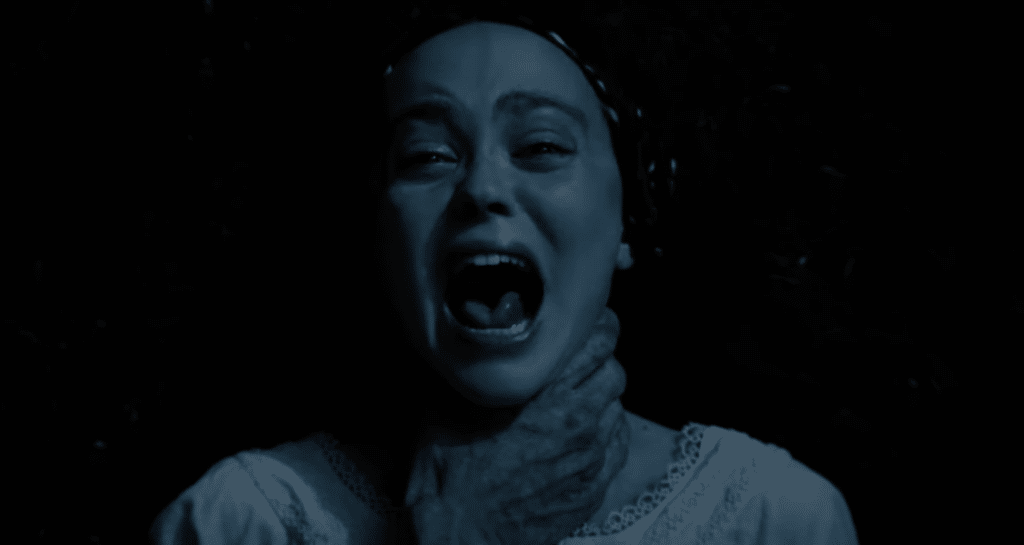
In terms of women's rights, the latest Nosferatu comes in a post-Roe vs. Wade climate following the overturning of the landmark 1973 ruling that legalized abortion. Charities in both the US and UK have reported a rise in cases of violence against women and girls, with Sanctuary for Families noting 2,997 women were murdered in 2019 compared to 1,691 women in 2014. It can be argued that the popularity of monster movies stems from the climate in which they are released, with these films making a big comeback due to the cultural context that informs how audiences view them, and their fears driven by external stressors.
BACK FROM THE DEAD
Nosferatu's historical and modern success is not the only monster film that reflects the same trend. Released in 1931 following the success of Tod Browning's Dracula, Frankenstein retold Shelley's classic tale of a manmade monster created by the titular scientist who becomes hellbent on playing God and creating life from death. Like Nosferatu, Frankenstein's release was met with critical acclaim and, alongside Dracula, fueled the fire of the Universal Monster movies that followed. Frankenstein spawned several immediate spin-offs and crossover films, as well as those that have followed in the decades since its initial big screen debut.

Frankenstein has predominantly been theorized to represent the world's rising fear of scientific advancement at the time it was released. In 1931 alone, Ernest Lawrence invented the cyclotron, which accelerates particles to study nuclear physics, and French astronomer Bernard Lyot invented the coronagraph. Outside of the world of science, 1931 was a landmark year in politics as Spain became a republic and the National Government in Britain took over from the Labour Party. Much like Nosferatu reflected the rise of anti-Semitism and xenophobia, Frankenstein, most notably in its ending, can be seen to examine lynchings, a common occurrence in the US at the time of the film's release used to terrorize and control Black people.
In modern society, technology continues to develop rapidly, with rampant conversation about the environmental and ethical issues surrounding the use of Artificial Intelligence (AI). The 2020s have not only seen AI, but also the introduction of Blockchain, Quantum Computing, 5G, and an unbelievable increase in smart devices and robotics within our household that the sci-fi films of the 1940s and 50s could only dream of.
Politically, 2024 saw Donald Trump become the third president in US history to be impeached with the run-up to the election dominating headlines worldwide, from debates to two attempted assassinations against Trump. Overseas, the UK ended 14 years of Conservative rule with Sir Keir Starmer and the Labour Party being voted into power. In 2025, Frankenstein's release also comes at a time when racism is an ever-prevalent problem in society. In September 2024, the FBI released hate crime data that showed in 2023 in the US, there were 11,447 single-bias incidents involving 13,857 victims. This has risen from 11,288 single-bias incidents involving 13,278 victims.
UNHOLY TRANSFORMATION
Ten years after the release of Frankenstein, Universal Studios unleashed Wolf Man into the world. The film follows Larry Talbot (Lon Chaney) who travels home to Wales after his brother's death. While visiting an antique shop in his small hometown, he buys an antique silver walking cane, and the same night, he kills a wolf with it when it attacks him. But he later learns that it was, in fact, a werewolf (played by Bela Lugosi) that he killed and that the curse has passed to him.
The film's depiction of werewolves went on to influence many films that followed, and like its predecessors, inspired a number of sequels and spin-offs. The Wolf Man himself is the only Universal Monster to be played by the same actor in all of Universal's original run of films involving the character – a rarity still in the cinema world.
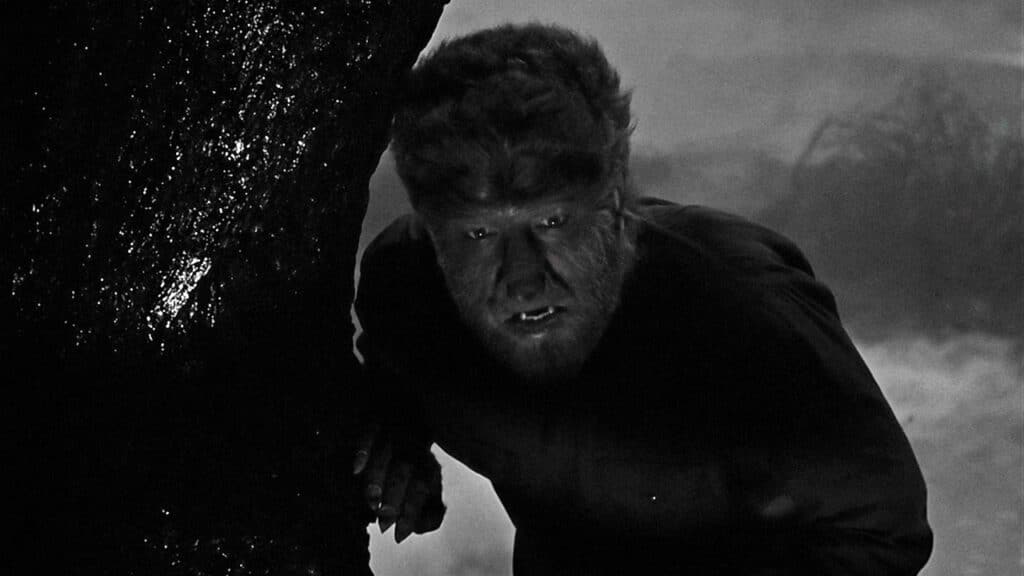
The most notable cultural influence on Wolf Man is World War II, which began two years prior and ended in 1945. The attack on Pearl Harbor marked Wolf Man's release, a surprise attack by the Imperial Japanese Navy on the US Pacific Fleet which killed more than 2,400 US servicemen. The film's writer Curt Siodmak fled Germany when the Nazis took power, and based the plot of Wolf Man – in which a man's life slowly devolves into a living nightmare – on his own lived experience.
It has been theorized that the werewolves in the film represent Nazis, regular people who were complicit in or actively believed in the monstrous beliefs and actions of the political party. The werewolf myth, and Wolf Man as a whole, reinforces the idea of Christianity as a saving force and reinstates the patriarchal control of the church. It acts as a defiant statement against the Nazis in Europe at the time who took action against the church, including closing many places of worship, imprisoning clergymen, removing crucifixes, and the dissolution of all monasteries and abbeys in the German Reich.
Wolf Man's repression of the inner beast and the blurring of human and monster could be seen to reflect the struggles many across the world felt during WWII when it came to cultural identity in the face of extreme violence and a sense of losing one's self during major historical events and an ever-changing world.
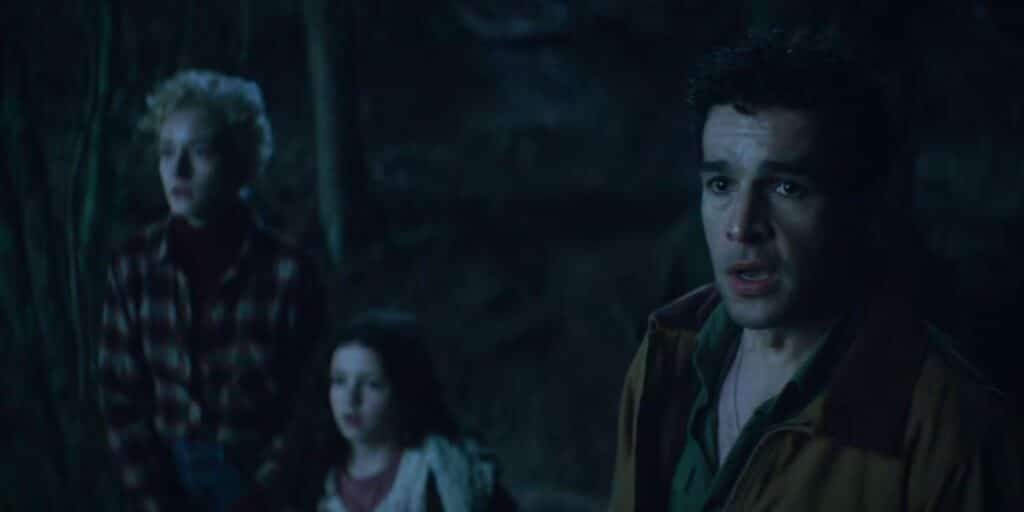
Whannell's Wolf Man comes to cinemas at a time when war is never far from any news coverage. On February 24, 2022, President Vladimir Putin launched a military invasion of Ukraine, and October 7, 2023, marked the beginning of the Israel-Gaza war, the fifth war of the Israel-Gaza conflict since 2008. On top of this, fears of World War III have increased in the 2020s with tensions between Russia, the US, and other countries leading many to feel anxious about the prospect of global conflict.
Contrary to the attacks on Christianity and places of worship during WWII, Frontier Partners International states the Christian population is projected to climb from over 2.52 billion to 2.63 billion, representing a 1.08 percent growth, and is expected to surpass 3 billion by 2050. In terms of identity, Christian nationalism is a term that has become popular in the 2020s, particularly in the US, as the promotion of Christian views has been used to promote political causes. This was notable in the overturning of Roe vs Wade, with many of those who had campaigned for this reversal being prominent Christians.
A LASTING LEGACY
At their heart, monster movies offer an escapism that cinemagoers then and now needed as a welcome diversion from real life. The height of the original surge of monster movies came during the Great Depression, which saw high unemployment, poverty, and business and bank failures across the US. In 2025, the surge of monster movies comes at a more stable economic time – at least in the US and UK – but it's also a time when the political climate becomes increasingly worrisome and the rights of some of the most vulnerable among us are at risk.
This could be why we have seen these monsters become less fantastical and more grounded in humanity and the darker side of the human psyche, reflecting the common adage that there is nothing more terrifying on this earth than other humans. While these films still have a monstrous antagonist, they now often explore the same evils through their human characters, blurring the lines of ‘good vs evil.'
The first monster movies proved to be huge financial successes, helping the studios who created them avoid bankruptcy during the Great Depression. It makes sense then, in a post-COVID-19 world that saw many in the film industry lose work, that studios would turn to the failsafe world of monster movies that have pulled creatives from the brink many times before. Like many horror films, monster movies offer a transgressive thrill that has appealed to audiences throughout the years, allowing us to explore some of our deepest, darkest desires and walk alongside real-life monsters without dealing with the consequences of their actions.
On top of this, the likes of Frankenstein, Wolf Man, and Nosferatu are recognizable to many and carry a homely nostalgia and warmth of the familiar that harkens back to what many dub a ‘simpler time' despite these films showing that the same problems have rolled right back around. Maybe the renewed interest in the monster movie could usher in a golden age of horror cinema, much like when the original Universal fiends dominated theater screens – we will certainly be sitting in the front row each opening night to find out.